Additional information
| ISBN | 979-8-89966-889-0 |
|---|---|
| Author | Ha Heng Yii |
| Publisher | |
| Publication year | |
| Language | |
| Number of pages | 54 |

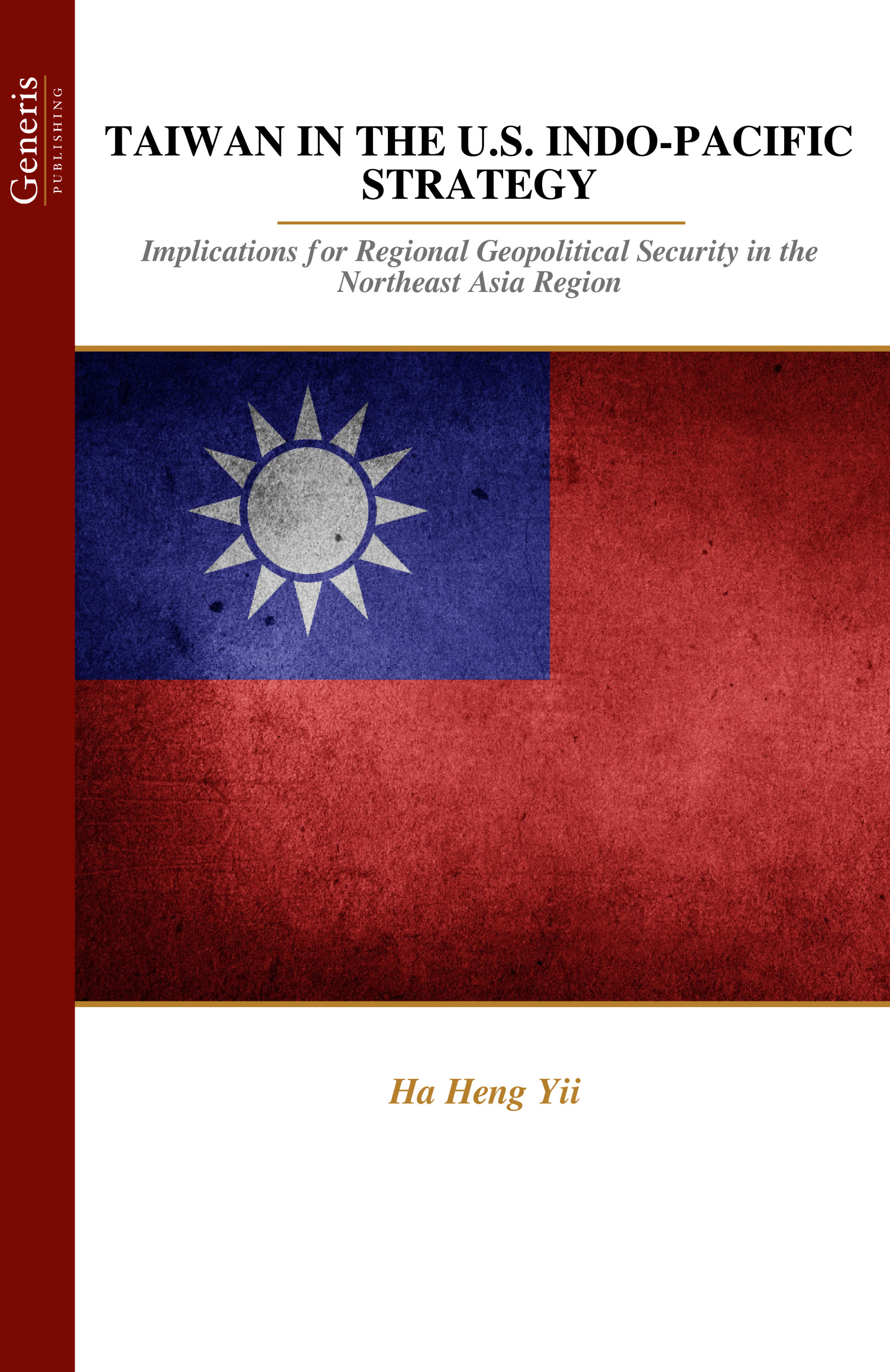
This book focuses on the engagement of the United States in Taiwan via its Indo-Pacific Strategy (IPS) which then subsequently affects regional geopolitical security in the Northeast Asia region. The involvement of the United States in Taiwan via its policies has raised concerns within China, which subsequently increased tensions in the relationship between China and […]
ISBN: 979-8-89966-889-0
€27.99
| ISBN | 979-8-89966-889-0 |
|---|---|
| Author | Ha Heng Yii |
| Publisher | |
| Publication year | |
| Language | |
| Number of pages | 54 |
This book focuses on the engagement of the United States in Taiwan via its Indo-Pacific Strategy (IPS) which then subsequently affects regional geopolitical security in the Northeast Asia region. The involvement of the United States in Taiwan via its policies has raised concerns within China, which subsequently increased tensions in the relationship between China and the United States. Taiwan regarded as one of the significant components of the United States engagement in the region had received assistances from the United States such as arms sales, military cooperation, security and defense. However, this also raises concerns within China as China treats Taiwan issue as its domestic issue. The assistance form the United States could pose potential unintended consequences, particularly the possibility that Taiwan could encounter circumstances similar to those experienced by Ukraine, where external assistance may entail significant political or strategic costs. As what Henry Kissinger’s warn, “being America’s enemy is dangerous, but being its friend is fatal” serves as a cautionary reminder for Taiwan.