Additional information
| ISBN | 979-8-89966-527-1 |
|---|---|
| Author | Laia Palos Rey |
| Publisher | |
| Publication year | |
| Language | |
| Number of pages | 69 |

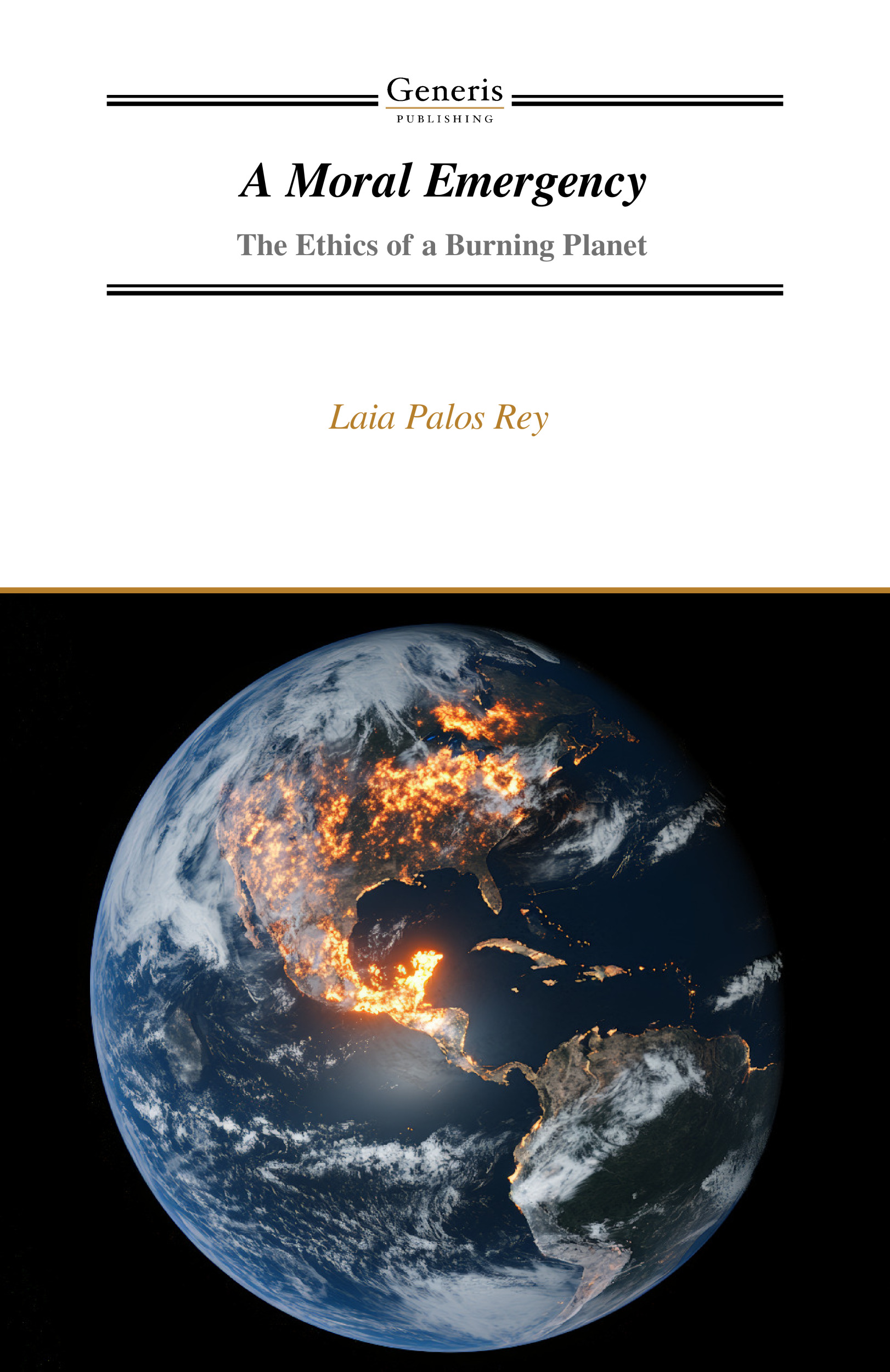
Climate change has become one of the defining challenges of our time. Yet despite overwhelming scientific evidence and growing public awareness, collective responses remain strikingly insufficient. Why? rn This book proposes a different perspective: climate change is not merely an environmental or technological problem, but the visible symptom of a deeper imbalance in the way […]
ISBN: 979-8-89966-527-1
€27.99
| ISBN | 979-8-89966-527-1 |
|---|---|
| Author | Laia Palos Rey |
| Publisher | |
| Publication year | |
| Language | |
| Number of pages | 69 |
Climate change has become one of the defining challenges of our time. Yet despite overwhelming scientific evidence and growing public awareness, collective responses remain strikingly insufficient. Why?
rn
This book proposes a different perspective: climate change is not merely an environmental or technological problem, but the visible symptom of a deeper imbalance in the way modern societies understand progress, development, and their relationship with the Earth. Behind rising emissions lie cultural and economic models built on unlimited growth, accelerating consumption, and profound global inequalities.
rn
Through the lenses of ecological ethics, climate justice, and environmental awareness, this work explores how values, communication, and education shape the ways societies perceive the climate crisis—and how they respond to it.
rn
Rather than offering simple solutions, the book invites readers to reconsider a fundamental question: what does it truly mean to prosper on a finite planet?
rn
Because the challenge is not only to stop climate change, but to learn how to inhabit the Earth.