Additional information
| ISBN | 979-8-89966-929-3 |
|---|---|
| Author | Chukwudi Samuel Ezennadiri |
| Publisher | |
| Publication year | |
| Language | |
| Number of pages | 46 |

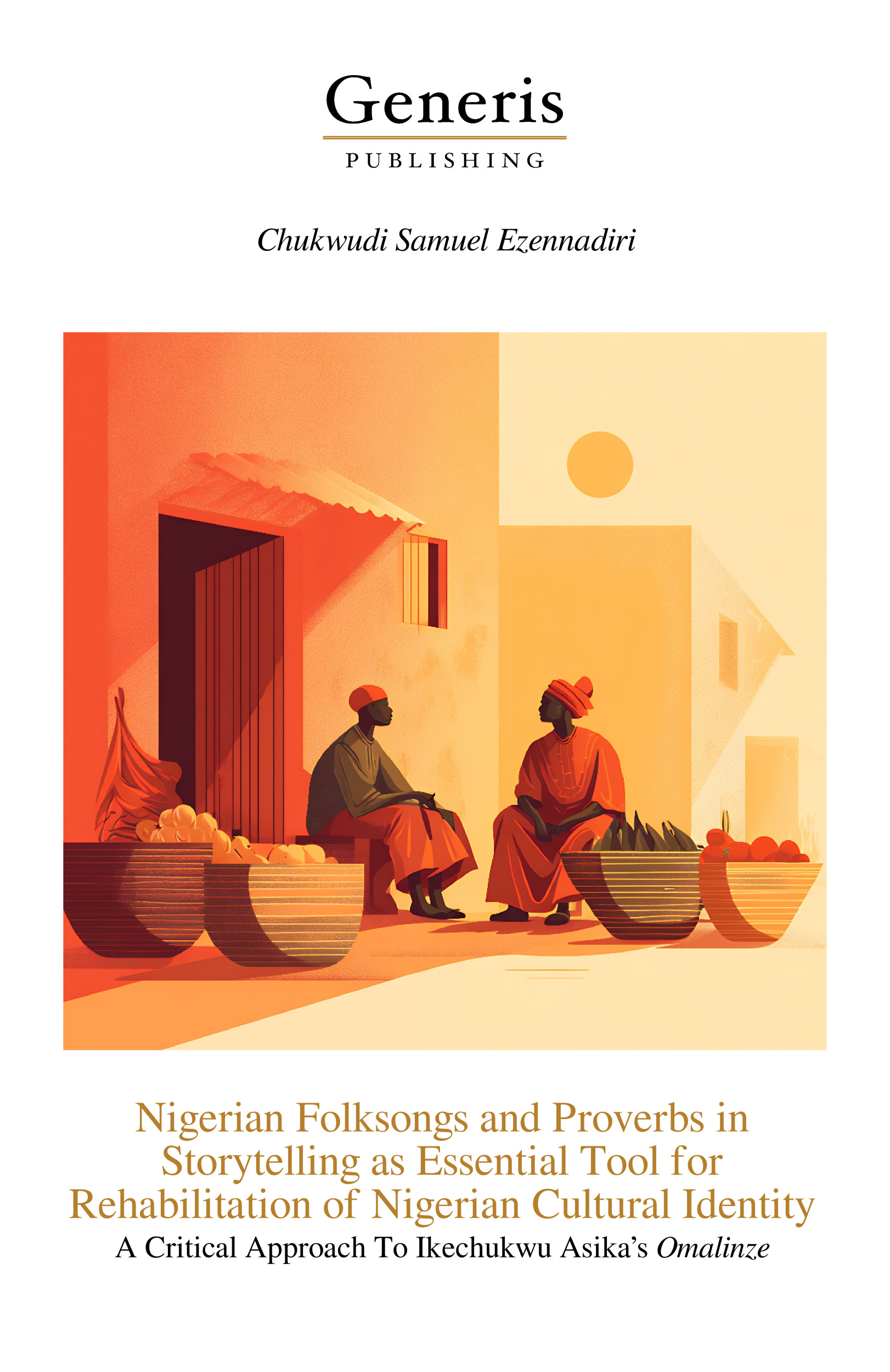
This study examines how Ikechukwu Asika uses oral tradition (Folksongs and Proverbs) in his play Omalinze to rehabilitate Nigerian cultural identity. Omalinze portrays a traditional Igbo society in transition, exploring themes of family love, loyalty, pride, tradition over progress, and civil disobedience. Asika frames the play with storytelling, folktales, folksongs and proverbs, which in pre-colonial […]
ISBN: 979-8-89966-929-3
€23.99
| ISBN | 979-8-89966-929-3 |
|---|---|
| Author | Chukwudi Samuel Ezennadiri |
| Publisher | |
| Publication year | |
| Language | |
| Number of pages | 46 |
This study examines how Ikechukwu Asika uses oral tradition (Folksongs and Proverbs) in his play Omalinze to rehabilitate Nigerian cultural identity. Omalinze portrays a traditional Igbo society in transition, exploring themes of family love, loyalty, pride, tradition over progress, and civil disobedience. Asika frames the play with storytelling, folktales, folksongs and proverbs, which in pre-colonial Nigeria served as education, entertainment and moral archive.
Folksongs provide aesthetic depth, moral commentary and cultural preservation. They encode language, history and worldview. The study notes both effective use and passage of message to the audience through the songs.
Proverbs function as Igbo philosophy, palm-oil with which words are eaten. They convey wisdom, admonish characters, resolve conflicts and authenticate the dialogue.
The author argues that colonialism and modernization have eroded cultural identity, making younger generations see tradition as obsolete. By embedding indigenous oral forms, Asika reclaims language, re-educates youth, promotes communal values and archives vanishing heritage.


